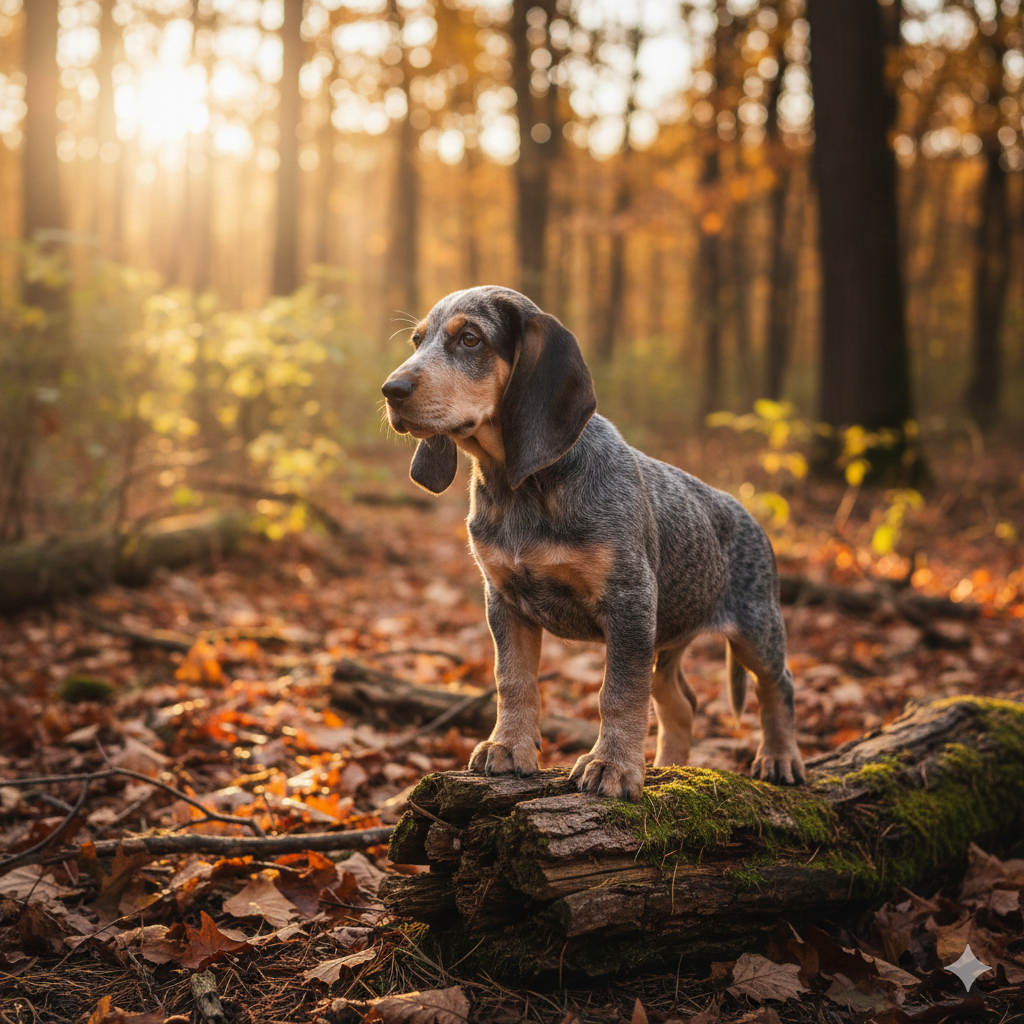
How to Start a Young Hound the Right Way (Without Creating Bad Habits)
Look, I’ve seen way too many guys mess up good dogs by rushing things. They get a pup with a solid bloodline, and within six months, they’ve created a hot mess that won’t hunt independently or trees on everything with bark on it. The worst part? Most of these problems come from handlers who thought they were doing the right thing.
Starting a young coonhound isn’t rocket science, but it does require patience and a willingness to let the dog figure things out. The difference between exposure and pressure is huge, and most people don’t understand where that line is until they’ve already crossed it. Shortcuts might make you feel productive in the moment, but they cost you down the road when you’re trying to fix bad habits that shouldn’t exist in the first place.
This guide is about building confidence, independence, and longevity in your hound. If you want a dog that hunts hard at eight years old instead of burning out at three, keep reading.
When to Start a Young Coonhound (Age vs Readiness)
Here’s the thing about starting age: the calendar matters way less than mental maturity. I know guys who started pups at five months and had great results, and I know guys who waited until ten months and still rushed it. Age alone doesn’t tell you anything.
What you’re looking for are signs of readiness. A pup that’s ready to be hunted shows curiosity about the woods, not fear. They use their nose naturally, even if they don’t know what they’re smelling yet. They’ll range away from you during daytime walks without constantly checking back for reassurance. That independence is what you want to see before you ever turn them loose at night.
On the flip side, if your pup is clingy, fearful of new terrain, or shows zero interest in scent work, you need to wait. Pushing a dog that isn’t ready doesn’t speed up the process. It just creates problems that take months or years to fix, if they can be fixed at all.
The Foundation Before the Woods
Before you ever think about hunting your pup at night, they need some basic foundation work. I’m not talking about teaching them to heel or sit on command. I’m talking about practical stuff that actually matters in the woods.
Your pup needs to come when called, load into the dog box without a fight, and handle basic physical contact without freaking out. That’s it. You don’t need fancy obedience. You need a dog that won’t make your life miserable when you’re trying to get to and from your hunting spot.
Daytime woods exposure is critical, and this is where a lot of guys get it wrong. Take your pup for walks in the woods during the day. Let them cross creeks, climb over logs, and navigate rough terrain. Don’t have expectations. Don’t try to turn it into a training session. Just let them build confidence in the environment where they’ll eventually be hunting.
The biggest mistake I see is over-handling during this phase. Guys want to help their pup with everything, and what they end up with is a dog that can’t function independently. If your pup gets stuck on the other side of a creek, give them a minute to figure it out before you go rescue them. Independence is built through problem-solving, not hand-holding.
First Trips to the Woods (What “Starting” Really Means)
When you finally take your pup hunting for the first time, you need to shift your mindset. You’re going hunting, not training. Let the woods teach the dog. Your job is to stay out of the way and let natural instincts surface.
Keep early hunts short. An hour or two is plenty for a young dog. You want them coming back to the truck wanting more, not exhausted and overwhelmed. Frequent short hunts beat the hell out of occasional marathon sessions that burn a pup out mentally and physically.
This is controversial, but I’m a big believer in hunting young dogs alone, at least initially. When you throw a green pup in with finished dogs, they learn to cover instead of hunt. They tree when the other dogs tree, not when they actually have a coon. They develop me-too behavior and dependency that’s hard to break later. Let your pup figure things out solo first. There’s plenty of time for pack hunting once they understand their job.
Caged Coons, Drags, and Artificial Scent (Use or Skip?)
People get religious about this topic, but the truth is somewhere in the middle. These tools aren’t magic, and they’re not evil. They’re just tools, and like any tool, they can help or hurt depending on how you use them.
A caged coon or drag can help build confidence in a timid pup. If you’ve got a dog that’s hesitant or unsure, giving them an easy win can get their head right. The scent is there, the track is simple, and they get to experience the whole sequence without much difficulty.
But here’s where it goes wrong. Some guys use these tools as shortcuts, and they end up with dogs that tree without tracking or get overexcited about scent work to the point where they can’t think straight. Worse, they create dogs that look for the easy answer instead of working through tough tracks.
My rule is simple: use them sparingly for confidence building if needed, but don’t make them a regular part of your program. Real hunting teaches better lessons than any artificial setup ever will.
Developing Independence the Right Way
Independence isn’t something you can directly train. You can only create the conditions that allow it to develop. And that means getting comfortable with doing less, not more.
The handler mistakes that create puppy pack dogs are predictable. Always hunting with finished dogs is the big one. Walking pups into trees is another. Overpraising noise and excitement instead of actual results teaches dogs to perform for you instead of hunting for coons.
What should you reward early? Nose use. Range. Persistence. A pup that works through a tough track and figures it out deserves praise. A pup that opens on scent and drives toward a tree deserves recognition. But a pup that just makes noise and runs around randomly doesn’t need you cheering them on.
The hardest part of developing independence is trusting the process. You have to let your pup make mistakes, get confused, and work through problems without you jumping in to fix everything. That’s how they learn.
The First Tree (Don’t Mess This Up)
The first few trees your pup makes matter more than whether they actually catch a coon. How you handle these moments sets the tone for everything that follows.
If your pup trees and then leaves, don’t panic. That’s normal. They’re still learning what success looks like. If they tree wrong, same deal. Misses are part of the learning process. If they check a tree and move on, they’re using their brain and being honest about what they’re smelling.
When should you praise? When your pup commits to a tree with a coon in it, that’s worth recognition. Keep it calm and matter of fact, not over the top. You want them to understand they did their job correctly, not that they just won the lottery.
When should you stay quiet? Pretty much every other time. Misses don’t need commentary. Confusion doesn’t need correction. Experience will teach those lessons better than you ever could.
How Often to Hunt a Young Hound
Consistency beats intensity every single time. I’d rather hunt a young dog twice a week for short sessions than once a week for a long grind. Frequency keeps them sharp and engaged without burning them out.
You need to learn the difference between fatigue and frustration. A tired pup still wants to hunt, but physically can’t keep going. A frustrated pup shuts down mentally and stops trying. The first one is fine. The second one means you pushed too hard.
Read your dog. Some pups can handle more work than others. Some need more recovery time. There’s no one size fits all answer, but if you’re paying attention, your dog will tell you what they need.
Corrections: Less Is More (Especially Early)
This is where a lot of young dogs get ruined. Guys start correcting too early, too hard, for the wrong reasons, and they destroy confidence that takes months to rebuild.
What should you NOT correct early? Misses. Confusion. Inexperience. These aren’t behavioral problems; they’re learning moments. Correcting a pup for treeing wrong when they’re still figuring out scent work is like yelling at a kid for getting a math problem wrong on their first day of school.
What IS appropriate to correct? Confirmed trash running, once you know for sure the dog understands the difference. Dangerous behavior like running roads or getting aggressive with other dogs. These corrections need to be clear, fair, and consistent.
Early overcorrection ruins confidence permanently. A dog that’s scared to make mistakes won’t take risks. A dog that won’t take risks won’t develop into a finished hunter. It’s that simple.
If you do need to use an e-collar, and eventually most guys do, introduce it properly and use the lowest level that gets the message across. It’s a communication tool, not a punishment device.
Bad Habits Created by Well-Meaning Hunters
Let’s talk about the problems that shouldn’t exist but somehow always do.
Slick treeing happens when a pup learns they get attention and praise for treeing anything, whether there’s a coon there or not. It starts with handlers walking pups into trees and making a big deal about every tree, even the empty ones. The pup learns that treeing equals praise, and accuracy becomes optional.
Covering other dogs develops when young pups are always hunted with finished dogs and never learn to trust their own nose. They listen for other dogs to open and tree, then race over to join the party. They look like they’re hunting, but they’re really just following.
A dog that won’t hunt out is usually the product of a handler who never let them range. Maybe they got called back every time they pushed out too far, or maybe they were always hunting in tiny tracks where range didn’t matter. Either way, they never learned to trust themselves away from the handler.
Dogs that tree for praise instead of accuracy are trained, not born. This happens when handlers reward effort over results and make too big a deal about every tree. The dog figures out they can get what they want (your approval) without actually finding coons.
Looking back for handler approval is another trained behavior. Dogs that constantly check in aren’t being cautious; they’re dependent. This comes from handlers who overmanage everything and never let the dog make decisions.
All of these problems are preventable. They start with small mistakes that compound over time. The fix is almost always the same: back off, give the dog space to figure things out, and stop rewarding behavior that doesn’t lead to coons in trees.
A Simple Starting Timeline (Realistic Expectations)
From four to six months, you’re in the exposure phase. Daytime walks, basic obedience, building confidence. No hunting. Just foundation work.
Six to nine months is when curiosity and learning kick in. Short hunting trips, mostly solo. Let them explore, make mistakes, and start connecting scent to trees. Don’t expect consistency yet.
Nine to fourteen months is where you start seeing real development. They’re tracking with purpose, treeing with more accuracy, and beginning to show you what kind of hunter they’ll become. This is still not the time to push hard or add serious pressure.
Why does rushing this timeline backfire? Because mental development doesn’t happen on your schedule. You can force a dog to perform early, but you can’t force maturity. The dogs that last and stay honest are the ones that were allowed to develop at their own pace.
Gear That Helps (Without Replacing Training)
You’ll need a tracking collar eventually, and there are solid options at every price point. The collar’s job is to let you observe your dog’s behavior, not control it. Learn to read the beeps and map what your dog is doing in the dark.
A good light setup matters for young dogs. You want to be able to see what’s happening at the tree without stumbling around in the dark and making everything harder than it needs to be.
Basic stuff like leads, tie outs, and a first aid kit should be in your truck. Young dogs get into dumb situations, and being prepared keeps small problems from becoming big ones.
The key with gear is remembering it’s there to support the process, not replace it. A fancy collar won’t fix a poorly started dog, and the best light in the world won’t make up for lack of experience.
When to Step Back (And Let the Dog Figure It Out)
You’re doing too much if your dog constantly looks to you for direction, won’t range out of sight, or seems confused when you’re not actively managing them. These are signs you need to step back and give the dog room to work.
Trust building happens through patience. Every time you resist the urge to jump in and fix something, you’re telling your dog you believe they can handle it. That matters more than any training technique.
Let natural ability surface by getting out of its way. The best hounds I’ve ever seen had handlers who understood when to do nothing. That’s harder than it sounds, but it’s the difference between a good dog and a great one.
Start Slow, Hunt Smart, and Don’t Steal the Dog’s Confidence
Long term dogs are built, not rushed. The pup that starts slow and builds confidence will outlast and outhunt the pup that was pushed hard early. Every single time.
Confidence plus exposure plus patience equals results. There’s no shortcut around that formula. You can try to skip steps, but you’ll just end up backtracking to fix problems that didn’t need to exist.
Take your time. Trust the process. Let the dog show you what they’re capable of instead of trying to force them into a timeline that makes you feel productive. The woods will teach them everything they need to know if you just stay out of the way.
Starting a young coonhound? Get the free “First 30 Nights” guide before you make mistakes you can’t undo
If you want the full blueprint for building a balanced night dog, start here.