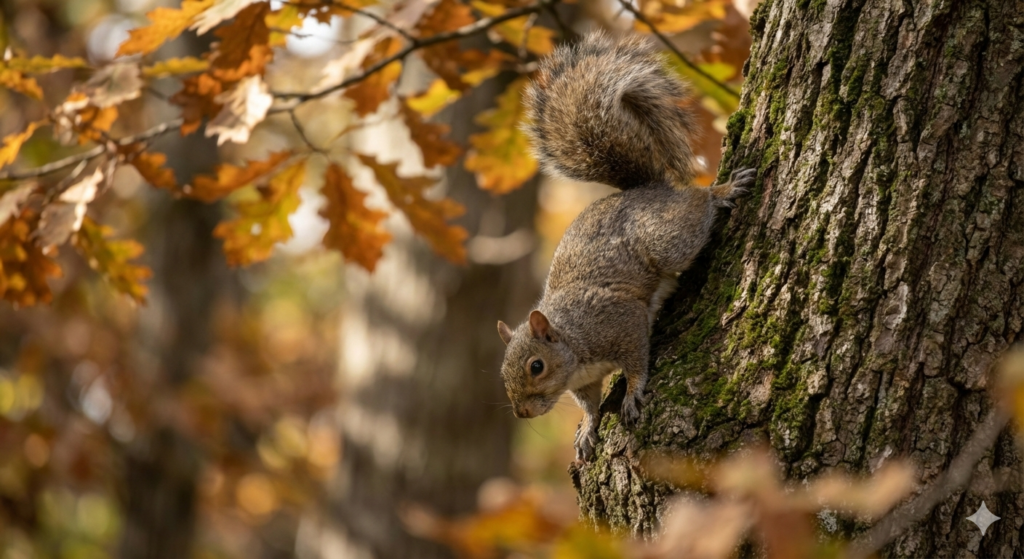
Training a dog for squirrel hunting is honestly one of the most rewarding experiences you can have as a hunter. There’s something magical about watching your pup pick up a scent trail for the first time, follow it through the woods with their nose working overtime, and then bark up at that tree with pure excitement when they’ve finally treed a squirrel. It’s the kind of moment that reminds you why you fell in love with hunting in the first place.
But here’s the thing: the path from green puppy to reliable squirrel dog isn’t automatic. It takes patience, consistency, and understanding what makes hunting dogs tick. I’m going to walk you through everything you need to know about how to start training a dog for squirrel hunting, whether this is your first hunting dog or you’ve been working with dogs for years. We’ll cover the fundamentals, talk about what actually works in real woods situations, and help you avoid some of the frustrating mistakes that trip people up when they’re just getting started.
Understanding Instinct versus Training
Before we dive into the practical techniques and step by step squirrel dog training methods, let’s talk about something that’s absolutely critical to understand: you cannot force a dog to hunt squirrels if they don’t have the natural drive for it. What you’re really doing when you train a squirrel dog is bringing out and shaping instincts that are already present in the dog, not creating those instincts from nothing.
Some dogs are born with an intense fire to pursue small game and tree quarry. Others might show a little interest here and there, but never really develop into serious hunters. Certain breeds like feists, curs, and other hunting lines have been selectively bred for generations to have strong squirrel hunting instincts, so they statistically have better odds of being natural hunters. But even within these proven hunting breeds, it still comes down to the individual dog and their particular drive.
Your job as a trainer is to cultivate what’s already there in your dog’s genetics and personality. You’re reinforcing the behaviors you want to see, building their confidence, and making the woods the most exciting and rewarding place your dog can imagine being. When you approach training with this mindset, the whole process becomes more enjoyable and meaningful for both of you.
When to Start Training a Dog for Squirrels
One of the first questions people ask me is when to start training a squirrel dog, and I’ve got good news for you. You don’t have to wait until your dog is fully grown or even close to full size before you begin laying the foundation for hunting success.
Puppies as young as three or four months old can start getting valuable exposure to the woods, natural scents, and controlled introductions to what squirrels look like, smell like, and sound like. Now, I want to be clear here: I’m not saying you should expect a four month old puppy to be treeing squirrels like a seasoned veteran. That’s not realistic, and it’s not fair to the pup. What you’re doing at this early stage is planting seeds of curiosity and helping your puppy build positive associations with the hunting environment.
The best way to introduce a pup to squirrel hunting at this tender age is through short, daily sessions in the woods. Think 10 to 15 minutes of exploration, not hour-long marathon training sessions that will exhaust a young dog and make them associate the woods with being tired and overwhelmed. Let them sniff around freely, explore interesting smells, and just experience all those wild scents that don’t exist in your backyard. Make it fun and exciting, not stressful or confusing.
Here’s something I’ve learned over years of working with hunting dogs: consistency beats duration every single time. A dog that gets 15 minutes in the woods every single day will develop faster and more reliably than a dog that gets intensive three-hour training sessions once or twice a week. Daily repetition builds neural pathways and creates habits in ways that sporadic training simply cannot match.
Building Your Foundation with Basic Obedience
I know this might sound boring when you’re excited about getting your dog out there hunting and treeing squirrels, but please trust me on this: obedience is absolutely critical to success. A squirrel dog with incredible hunting instincts but zero obedience is not just frustrating to hunt with; it’s actually dangerous in real hunting situations.
Early obedience sets the stage, learn the timing and method for corrections in training so you don’t overdo it in these first stages.”
Before you start serious treeing training, your dog needs to have solid, reliable responses to these basic commands: come, sit, check in, and stay. These aren’t just nice to have or extras you can skip. These commands give you control and communication when your dog is 50 yards ahead of you in thick brush, when they’re about to run across a road chasing a hot trail, or when you need them to settle down and be quiet before you take a shot.
You don’t need to be some kind of authoritarian drill sergeant about obedience training. Positive reinforcement methods work beautifully with hunting dogs and create a much better relationship between you and your dog than harsh corrections ever will. But your dog absolutely needs to understand that listening to you and having freedom to range in the woods go hand in hand. A dog that ignores basic commands creates unsafe situations really quickly, especially once gunfire enters the picture.
Think of obedience as the foundation of a house. You can have the most beautiful design and the finest materials, but if your foundation is weak or unstable, the whole structure is compromised. The same principle applies to hunting dog training.
Even in the early stages, some dogs will quit on trees, here’s why some squirrel dogs abandon trees and how to prevent that habit before it becomes ingrained.
Getting a Dog Interested in Squirrel Hunting
Real squirrels in real woods are ultimately the best teacher for your dog, but controlled introductions in a safe environment help your dog make the right connections early on and build confidence before they face the unpredictability of actual hunting. There are several effective approaches you can use to teach a dog to hunt squirrels naturally and build that initial excitement.
One method that works really well for many trainers is using toy and scent games in the backyard or a training area. You can drag a toy around with a scent that mimics small game, creating a trail that your pup can follow. Every time your puppy shows interest in the scent or tries to track toward the toy, you reward them enthusiastically with praise, treats, or play. This builds the fundamental idea that small critter scent equals something fun and worthwhile pursuing. It’s a low-pressure way to introduce the concept before you ever step foot in actual hunting territory.
Another approach that might sound a bit intense but actually works incredibly well is using a squirrel pelt for dog training. Many experienced trainers will hang a real squirrel pelt or carcass at nose level in a secure area of their yard or kennel and let the pup investigate it thoroughly. The dog gets to sniff it, learn what an actual squirrel smells like instead of some artificial approximation, and associate that authentic scent with praise and excitement from you. There’s really no substitute for the real thing when it comes to scent recognition.
You can also start taking short trips into actual squirrel habitat, even with very young pups. Let your puppy sniff around the base of oak trees, investigate hickory bark, watch leaves move in the breeze, and maybe even catch glimpses of live squirrels running in the distance. Don’t worry about getting them to tree anything at this stage or even show intense interest. You’re just building familiarity and confidence with the hunting environment. You want your pup to learn that the woods are a fun, safe place full of interesting smells, not a scary or overwhelming environment.
The key principle with all these early introductions is creating positive associations in your dog’s mind. You want your dog to learn that squirrels aren’t scary, confusing, or frustrating. They’re exciting, they’re worth paying attention to, and pursuing them makes you incredibly happy and proud. When you build that foundation of positive emotions, everything else in the training process becomes easier.
Real Woods Time Is Where the Magic Happens
No amount of backyard exercises, scent games, or controlled setups will fully replace time spent in actual hunting conditions with real squirrels. Real squirrels move unpredictably, use terrain and trees to their advantage in ways you cannot replicate, leave scent trails that are impossible to fake artificially, and provide the authentic challenge that turns a trained dog into a true hunting partner.
When you’re spending time in the woods with your dog during training sessions, keep things dynamic and interesting. Running the same woods, following the same route, doing the same routine every single time gets boring for a dog just like it would for you. Try different terrains and different types of forest. Explore different tree stands and different elevations. Vary the times of day you go out, because squirrel activity and scent conditions change throughout the day. This variation keeps your pup mentally engaged and constantly learning new things.
One thing I see a lot of beginner trainers struggle with is relying too heavily on sight instead of properly teaching scent tracking for squirrel dogs. It’s easy and tempting to fall into the trap of using caged squirrels or stationary setups for training, and these definitely have their place for building confidence in young or inexperienced dogs. But real squirrels in real hunting situations don’t behave like that at all. They run, they hide, they use cover effectively, and they certainly don’t sit still in one spot waiting to be found.
You need to encourage your dog to use their nose as their primary tool, to follow scent trails even when they cannot see the squirrel, and to work through the complex problem of where that squirrel went when it seemingly disappeared. This is where the real skill of a hunting dog develops. Any dog can chase something they can see running. A truly skilled squirrel dog can track scent through difficult terrain and changing conditions to locate quarry they’ve never actually laid eyes on.
When your dog does successfully tree a squirrel, here’s my advice based on years of experience: don’t rush in immediately with praise and excitement. Let the dog solidify that behavior on their own first. Let them bark at the tree, let them focus intensely on where the squirrel is hiding, let them really lock in on what they’ve accomplished. Give them 30 seconds or even a full minute to own that moment. Then you come in with big praise, enthusiastic celebration, and rewards. Over time, through repeated experiences, your dog will associate the actual act of treeing with your approval and that high-energy positive reinforcement, making them more and more motivated to repeat the behavior.
Why Won’t My Dog Chase or Tree Squirrels
This is probably the single most common frustration I hear from people training their first squirrel dog. You take your pup out to the woods, and there are squirrels everywhere running around and chattering, and your dog just seems completely disinterested or confused about what they’re supposed to be doing.
First and foremost, remember what we talked about at the very beginning: not every dog has strong hunting instincts, even within proven hunting breeds. Some dogs just aren’t wired for it genetically, and that’s perfectly okay. It doesn’t make them bad dogs or mean you failed as a trainer. It just means that particular dog isn’t cut out for squirrel hunting. But if your dog is showing at least some interest and you’re trying to build on it, here are some things to consider and troubleshoot.
Sometimes, dogs aren’t making the connection between what they’re smelling or seeing and what they should be doing about it. This is where those controlled introductions we talked about earlier really become important. You may need to break the behavior down into smaller, more manageable steps. Reward interest in squirrel scent, even if the dog doesn’t do anything with it yet. Reward tracking behavior, even if it’s brief or unfocused. Reward looking up at trees when you point. Reward any vocalizations near trees. Eventually, reward barking at trees. By breaking it down this way, you’re creating a clear pathway for the dog to understand what you want.
Other times, the problem is that training sessions are too long, too intense, or happening too frequently, and the dog is getting mentally or physically exhausted. An overwhelmed dog cannot learn effectively. Keep your sessions short and always end on a high note with something the dog did well. It’s much better to have your dog begging for more training time than dreading it because they associate it with confusion and fatigue.
And sometimes, honestly, it’s just a matter of time, maturity, and patience. Some pups lock into squirrel hunting instincts within a few weeks of exposure. Others take months to really figure it out and develop that drive. I’ve known dogs that didn’t truly come into their own as squirrel hunters until they were 18 months or even two years old. Every dog develops at their own pace, and there’s no way to force or rush genuine instinct.
Teaching a Dog to Bark at Squirrels
Getting your dog to actually bark when they tree a squirrel is a specific skill that some dogs pick up naturally and intuitively, while others need more deliberate help and encouragement to develop. The barking serves a really practical purpose in actual hunting situations: it tells you exactly where your dog is when they’ve located a squirrel, especially if they’ve ranged out of your line of sight in thick cover or over a ridge.
Some trainers will use specialized training tools or verbal encouragement to teach this behavior, but honestly, most dogs with strong hunting drive will start barking naturally once they’re excited enough about the hunt and frustrated that they cannot reach the squirrel. The key is to really amplify your praise and excitement when they do bark at a tree. Make it seem like barking at that tree is the absolute best thing they’ve ever done in their entire life. That positive reinforcement will encourage them to repeat the behavior in future hunting situations.
If your dog is successfully treeing squirrels but staying completely silent, you can try barking yourself or making excited vocalizations to encourage them and give them the idea. Some dogs will actually mimic their handler’s sounds. Others respond really well to seeing and hearing another experienced dog bark at a tree, which is why training with a veteran squirrel dog can be incredibly valuable for teaching a young pup the ropes.
When introducing tree checks, avoid confusion, here’s a step-by-step on fixing skipped tree checks in young dogs if that becomes an issue.
The Critical Importance of Gunfire Exposure
This is something you absolutely cannot skip or rush if you want a reliable, safe hunting partner. An unaccustomed dog can completely freeze up, panic, or bolt at the sound of the first gunshot, and undoing that fear response after it’s been established is exponentially harder than preventing it in the first place through proper conditioning.
Start with relatively quiet shots from a .22 rifle at a good distance from your dog, maybe 50 or 75 yards away. Have a helper fire the shot while you’re with your dog, offering treats, praise, or play. Gradually decrease that distance over the course of several weeks or even months, depending on how your individual dog responds. Always reward calm, relaxed behavior around gunfire. You want your dog to understand that gunfire is just a normal part of the hunting experience, not something to be afraid of or concerned about.
Some trainers will fire a shot immediately after the dog has successfully treed a squirrel, creating a positive association between the sound of gunfire and their hunting success. This can work really well, but you need to be careful not to do this too early in the training process or with a dog that’s already showing any signs of noise sensitivity. One bad experience with gunfire can set your training back by months.
Helpful Tools for Training Success
There are a few pieces of equipment that can make the training process easier, safer, and more effective. The best training collars for squirrel hunting dogs, when used responsibly and correctly, can help with recall and range control when your dog is working at a distance. The keyword there is responsibly. You’re not looking for constant correction or stimulation. You’re looking for precise, clear communication when your dog is out of voice range and needs redirection.
GPS tracking collars are honestly a game changer, especially with dogs that like to range far and wide when they’re hunting. You can give your dog more freedom to develop their natural working style and follow hot trails without the constant stress and worry of potentially losing them in thick cover or unfamiliar territory. This peace of mind lets you focus on training instead of anxiety.
Some trainers also use flirt poles to build prey drive and simulate the excitement of chasing something that moves erratically. This can be a great way to amp up a young dog’s interest in pursuing small game without risking them having a bad experience with a real squirrel early on in their development.
Does Breed Matter for Training a Squirrel Dog
Let’s be honest and realistic about this question: breed does matter to some extent, but it’s definitely not everything when it comes to hunting success. The best breeds for squirrel hunting with dogs are typically those that have been selectively bred for this specific work over many generations, because the hunting instincts are stronger, more consistent, and more reliable across individual dogs.
The feist vs cur for squirrel hunting training debate is a common one in hunting circles, and both types of dogs can be absolutely excellent hunters. Feists tend to be smaller, more agile, and often have a more intense, focused working style. Curs are generally a bit larger and might have different temperaments and approaches to hunting. But I’ve seen incredible squirrel dogs from both groups, and I’ve also seen dogs from both groups that had no interest in hunting whatsoever.
Can any dog be trained to hunt squirrels? Technically, any dog with some prey drive could potentially learn some basic hunting behaviors with enough work and patience. But will every dog become a great, reliable squirrel hunter? Absolutely not. The reality is that the best candidates for squirrel dog training are dogs from working lines where the parents and grandparents were proven hunters themselves.
If you’re starting from scratch and trying to decide what breed to get, my advice is to look for breeders who are actually producing hunting dogs from working lines, not just showing dogs or pet lines. Talk to them extensively about what you want to do with the dog. Ask to see the parents work in the field if at all possible. Look at the whole litter and try to identify which puppies are showing early signs of prey drive and curiosity. But if you already have a dog and you’re wondering if they can learn, the only way to truly know is to try and see if that hunting drive emerges with exposure and encouragement.
Realistic Timelines and Expectations
Let me give you a realistic picture of how long it takes to train a squirrel dog, because managing your expectations appropriately will save you a lot of frustration. At three to four months old, you’re doing basic socialization, introducing your pup to the woods, and starting some simple scent games. You’re building a foundation, not expecting performance.
Between four and six months, you can start more structured scent work, controlled introductions to squirrel pelts or safely caged squirrels, and continue to build that critical obedience foundation. You’re still in the development phase here.
Around six to nine months, many dogs with good instincts are ready to start encountering real squirrels in actual hunting scenarios. Some will tree their first squirrel during this period, and it will be a magical moment. Others might need a few more months of exposure and maturity before things really click.
By one year old, a dog with solid hunting instincts should be showing consistent interest in squirrels and making steady progress toward reliable treeing behavior. But remember, some dogs are late bloomers. I’ve personally known excellent squirrel dogs that didn’t really come into their full potential until they were 18 months or even two years old.
With consistent, thoughtful work and regular exposure to hunting situations, you might have a decent, functional hunting dog in six months to a year. But developing a truly exceptional squirrel dog, the kind that can handle difficult conditions and complex scenarios with confidence, often takes several full hunting seasons of real experience in the woods.
Your Attitude and Approach Matter
Here’s something that doesn’t get talked about nearly enough in training discussions: your personal attitude and approach make a huge difference in how your dog develops as a hunter. If you’re constantly frustrated, impatient, or trying to force things to happen faster than they naturally should, your dog will absolutely pick up on that energy. Training will become a source of stress and tension instead of something fun and rewarding that you do together.
The best squirrel dog trainers I’ve ever met treat each training session as an opportunity to strengthen their relationship and partnership with their dog. They’re patient and understanding when things don’t go perfectly. They celebrate small victories and incremental progress. They understand that some days the dog will be absolutely on fire and other days will be slower and less productive. That’s just the natural rhythm of working with living animals.
Keep your training sessions fun, focused, and positive whenever possible. End on a high note with something the dog did well, even if you have to make it really simple. Your dog should be genuinely excited to go to the woods with you, not dreading it because they associate training with confusion, frustration, or disappointment. When you build that kind of positive, enthusiastic association with hunting, everything else in the training process becomes significantly easier and more enjoyable.
Bringing It All Together
Training a dog for squirrel hunting is genuinely a journey that requires patience, consistency, understanding, and a real love for working with dogs. Start with the right foundation of basic obedience that gives you control and communication. Introduce your pup to squirrels in controlled ways that build excitement, confidence, and positive associations. Spend real, quality time in actual woods where real hunting happens, not just artificial training scenarios. Reward and reinforce the specific behaviors you want to see, redirect gently when needed, and give your dog the time and space to mature and develop at their own individual pace.
Remember that every single dog learns differently and develops at their own speed. Some will be natural prodigies who seem to figure everything out in a matter of weeks. Others will take many months of patient work to really come into their own as capable hunters. Both developmental paths are completely normal and acceptable.
The most important thing to keep in mind is that you’re not just training a tool or a piece of equipment to help you hunt more effectively. You’re building a genuine partnership with an intelligent, feeling animal who will share the woods with you for many years to come. When you approach dog training with that mindset, the whole process becomes more meaningful, more enjoyable, and ultimately more successful for both of you. Get out there, be patient and encouraging with your pup, and enjoy watching them discover and develop the instincts they were born with. There’s really nothing else quite like it in the hunting world.
What Age Should You Start Training a Squirrel Dog?
Most young dogs can begin exposure between 4–6 months, but structured training should match maturity, not just age.
How Long Does It Take to Train a Squirrel Dog?
It depends on genetics, opportunity, and consistency. Most young dogs show steady progress over their first full season.
If you’re starting from scratch, make sure you understand the full framework in my complete squirrel dog training guide.