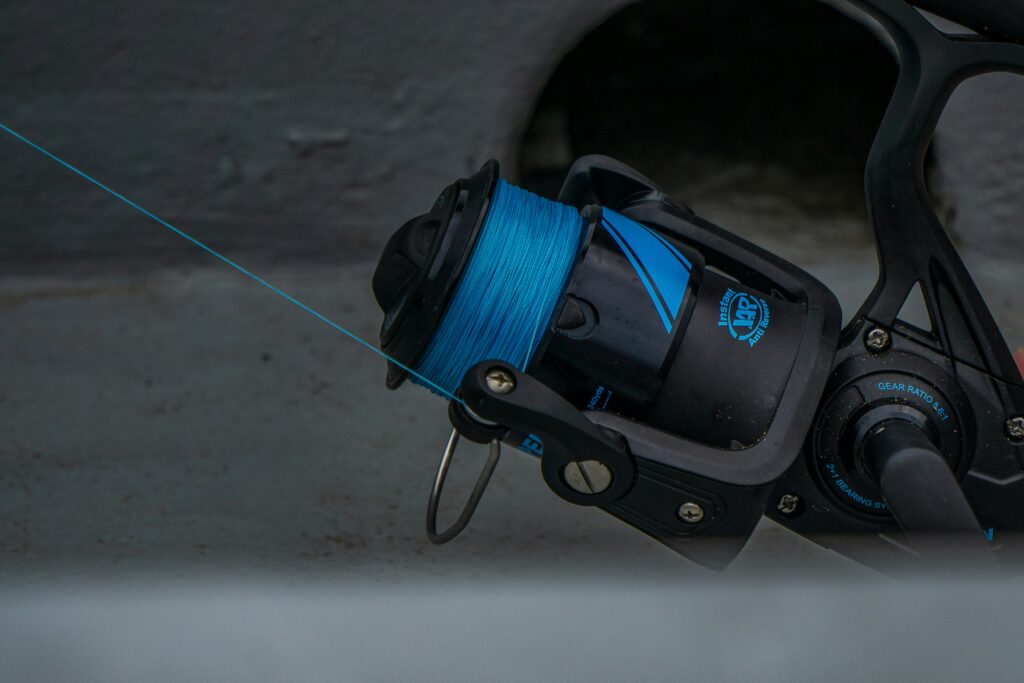
If you’ve ever watched a crappie bite and then somehow missed it, or worse, felt the fish just before it pulled off, your line might be part of the problem. Line choice for crappie is one of those topics where a lot of conflicting advice gets passed around. Fluorocarbon for everything. No, just use mono. Braid is best. Keep it simple with 6 lb test.
The truth is, there’s no single right answer. But there is a right answer for each situation. And once you understand why fishing line for crappie matters specifically, the decision gets a lot easier. This isn’t a gear review. It’s a breakdown of what actually makes sense on the water, based on how you’re fishing and what conditions you’re dealing with.
Quick Answer: What Fishing Line for Crappie?
For most crappie fishing situations, 4 to 6 lb monofilament or copolymer covers the basics. Use 4 lb fluorocarbon or a fluorocarbon leader in clear water with finesse presentations. Run 10 lb braid with a 24 to 36 inch monofilament or fluorocarbon leader when spider rigging, longlining, or fishing in heavy cover.
Why Line Choice Matters More for Crappie Than Most Fish
Crappie aren’t powerful fish, but they’re sneaky about biting and they aren’t built to hold up under a bad hookset. Two things drive the line decision more than anything else.
First: crappie have soft, papery mouths. A hook tears out easily if there’s no give in your setup when the fish shakes its head. This is exactly why straight braid with zero stretch can work against you at close range. You need some shock absorption in the system, whether that comes from the line itself or from a softer rod tip.
Second: crappie bites are often subtle. A heavy, stiff, or high-stretch line can mask the bite. This matters most when you’re jigging in deep water or fishing on a semi-slack line where the only signal you get is a slight movement in the line before the fish spits the bait.
Understanding those two things, soft mouths and light bites, makes the rest of the line decision straightforward. For more on crappie behavior and feeding habits, the Texas Parks & Wildlife crappie species page gives a good overview of what these fish are and how they feed.
The Three Line Types: What They Do on the Water
Monofilament
Mono is still the most practical all-around line for crappie fishing, and it’s the one most experienced anglers lean on for their day-to-day setups. It’s affordable, easy to manage on ultralight spinning gear, and it has enough natural stretch to protect soft crappie mouths during the hookset. It floats, which works great for shallow jigging and slip bobber rigs, and it handles knots well.
The knock on mono is sensitivity. The stretch does absorb some signal, which isn’t a big deal in most crappie situations. But if you’re trying to feel a subtle bite 15 to 20 feet down, you’ll notice it. 4 to 6 lb test covers the vast majority of crappie fishing. Move up to 8 lb if you’re working heavy timber or brush. Reliable options include Vicious Hi Vis and Mr. Crappie, both of which cast cleanly on ultralight spinning gear and hold knots well.
Fluorocarbon
Fluorocarbon has two real advantages for crappie: it sinks, which helps your jig get down faster and stay in the strike zone, and it has less stretch than mono, which helps with bite detection. It also has a refractive index close to water, which does reduce its underwater visibility to some degree, though calling it invisible is an overstatement.
The downside: fluoro has more line memory than mono, especially in cold water. On a small ultralight spinning reel, it can spring off the spool in coils and cause real problems. If you run fluorocarbon, stick to 4 or 6 lb test and don’t overfill the spool. Vicious Pro Elite or Reaction Tackle is a solid choice for crappie because it’s supple enough for ultralight spinning gear. For most crappie anglers, fluorocarbon works best as a leader tied to mono or braid main line rather than a full spool.
Braided Line
Braid has no stretch, excellent sensitivity, and a small diameter for its strength. You can run 10 lb braid on a spinning reel that feels like 4 lb mono in terms of diameter. It also has no memory, so it casts cleanly and doesn’t coil. The downside is visibility. Braid stands out in clear water and can spook crappie, especially during the spawn when fish are shallow and skittish.
The fix is simple: run a 24 to 36 inch mono or fluorocarbon leader. Done right, braid plus leader is an excellent setup for specific techniques, particularly spider rigging and longlining. Reaction Tackle and Bonehead Tackle are both popular among crappie trollers for their smooth casting and thin diameter. But for everyday jigging and finesse fishing, most anglers are better served with mono or copolymer.
Match Your Line to How You’re Fishing
This is where most line guides miss the point entirely. The technique you’re using should drive the decision more than anything else. Here’s a quick reference:
Technique | Best Line | Why |
Jigging shallow (2-8 ft) | 4-6 lb mono or copolymer | Stretch protects soft mouths at close range |
Vertical jigging deep (10-20 ft) | Braid + 24″ fluoro leader, or 6 lb fluoro | Reduces stretch, improves bite detection at depth |
Spider rigging / longlining | 10 lb braid + 18-30″ mono leader | Sensitivity across long rod spread; leader absorbs shock |
Dock shooting | 4-6 lb high-vis mono (yellow/chartreuse) | Watch for line twitch on the fall — that’s most strikes |
Slip bobber / minnow rigs | 4-6 lb mono (clear or green) | Floats naturally; bobber signals the bite anyway |
One scenario that surprises a lot of anglers is dock shooting. Many experienced dock shooters actually prefer high-visibility monofilament in yellow, green, or chartreuse. When you shoot a jig under a dock and let it fall on a semi-slack line, the majority of strikes happen on the drop. The only way you catch those fish is by watching for a twitch or jump in your line. High-vis line lets you see it. Low-vis line means you never know the bite happened. It’s a small adjustment that adds real fish to your total.
Clear Water vs. Stained Water: Does Line Visibility Actually Matter?
Line visibility matters, but it’s not the dealbreaker it’s sometimes made out to be.
In gin-clear water during the spawn, when crappie are shallow and easily spooked, a lighter and lower-visibility line is worth considering. 4 lb fluorocarbon or clear monofilament can be the edge you need when the fish are pressured or when the water is calm and the bite is tough.
In stained or murky water, it makes very little difference. The fish can’t see well regardless of your line choice. If you’re fishing dirty or off-color water after a rain event, don’t overthink it. 6 lb mono in any color will get the job done. If you’re specifically targeting crappie in off-color water, check out our guide to catching crappie in muddy water during spring for a breakdown of how conditions like that change your whole approach.
The bottom line: line visibility is a real factor in clear water, but location, depth, and presentation usually matter more. Don’t let a choice between clear and green mono occupy more mental energy than finding where the fish are holding.
Common Line Mistakes That Cost You Crappie
Running braid without a leader. Braid is visible and has zero stretch. Without a leader, you’ll spook fish in clear water and tear hooks free from soft crappie mouths at close range. Always run 24 to 36 inches of mono or fluorocarbon off the end of your braid, no exceptions.
Over-spooling fluorocarbon on a spinning reel. Fluoro has memory. Overfill the spool and it springs off in coils, tangles around the rod tip, and costs you fish. Fill to about 80 percent capacity and check for memory issues before you get on the water.
Using line that’s too heavy. This is the most common mistake with newer crappie anglers. Heavy line restricts the action of small jigs and kills sensitivity. 4 to 6 lb test is right for most situations. You don’t need 12 lb test to land a crappie.
Not replacing old mono. Monofilament breaks down with UV exposure. Old line breaks at the wrong moment, usually when you’re fighting a good fish near timber or brush. Respool at the start of each season and check the last few feet of line for fraying after every heavy session.
Not adjusting after weather changes. After a cold front, crappie pull tight to structure and bite very softly. In those conditions, lighter and more sensitive line can make a real difference in bite detection. If you’re struggling with cold-front crappie, our cold front crappie guide for spring walks through how to adjust everything, including your presentation and depth.
Frequently Asked Questions
What pound test is best for crappie fishing?
4 to 6 lb test covers the vast majority of crappie fishing situations. Use 4 lb in clear water or with finesse presentations. Move up to 6 or 8 lb when fishing heavy timber, brush piles, or stained water where line visibility matters less.
Is fluorocarbon worth it for crappie?
In clear water and deep jigging situations, yes. The lower visibility and reduced stretch can make a difference. For most everyday crappie fishing, though, a quality monofilament or copolymer works fine at a fraction of the cost. Fluorocarbon is most useful as a leader material rather than filling a full spool.
Can you use braid for crappie fishing?
Yes, but always pair it with a 24 to 36 inch mono or fluorocarbon leader. Braid alone is too visible and has zero stretch, which can result in torn mouths at close range and spooked fish in clear water. The braid-plus-leader combo is a great setup for spider rigging and longlining.
Does line color matter for crappie?
In clear water, lower-visibility line gives you an edge. In stained or muddy water, it makes little difference. High-visibility lines in yellow or chartreuse can actually be a useful tool when dock shooting, since most strikes happen on the fall and you need to watch your line for movement rather than feel it through the rod.
How often should I respool for crappie fishing?
For monofilament, at least once per season, more often if you fish frequently around cover. Mono breaks down with UV exposure and loses strength. Braid lasts much longer but check the terminal 12 inches for fraying after heavy sessions around timber or rock.
Put It Together and Go Fish
There’s no single magic line for crappie fishing, but there is a right line for the way you fish. Most anglers do just fine running 4 to 6 lb mono or copolymer across the board, using fluorocarbon as a leader in clear water, and adding braid to the mix for spider rigging and trolling setups. The key is matching your choice to your technique and conditions rather than defaulting to whatever’s on the shelf.
Get the line right, get your presentation in the zone, and the crappie will take care of the rest.